


Parma is a city of art, culture and unmistakable flavors. Walking through its streets means taking a journey through centuries of history and architectural masterpieces. If you are planning a visit, here is what to see in Parma to discover the best of this splendid city in Emilia.

Garibaldi Square
Located in the historic center of Parma, Piazza Garibaldi is the hub of city life. A crossroads of history, art and culture, the square is a point of reference for residents and tourists.
The H...
Read More
Ospedale Vecchio di Parma: a journey through the history of healthcare in Parma
In the heart of the Oltretorrente of Parma, along the central Strada d’Azeglio, stands one of the most representative monuments of the city’s history: the Ospedale Vecchio. This extraordinary Renaissa...
Read More
Church of San Francesco del Prato in Parma
A jewel of architecture and historyLocated in the historic center of Parma, the Church of San Francesco del Prato is one of the most important religious buildings in the city. Founded in the...
Read More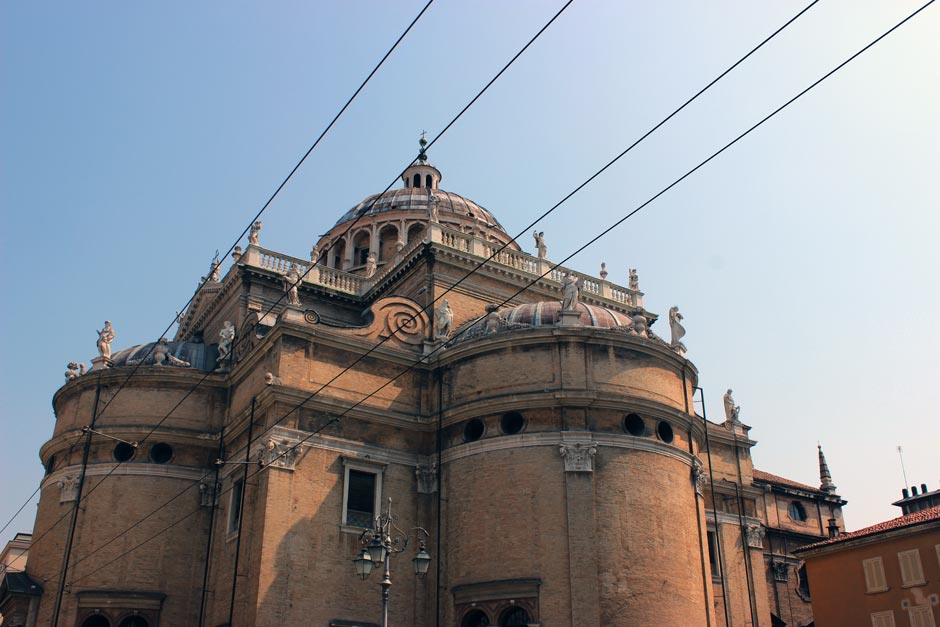

Ducal Park
The construction of the Parco Ducale is dued to the Duke Ottavio Farnese, who commisioned the architect Giovanni Boscoli in 1561 to build a new home.In 1690 the Duke Ranuccio Farnese for the wedding o...
Read More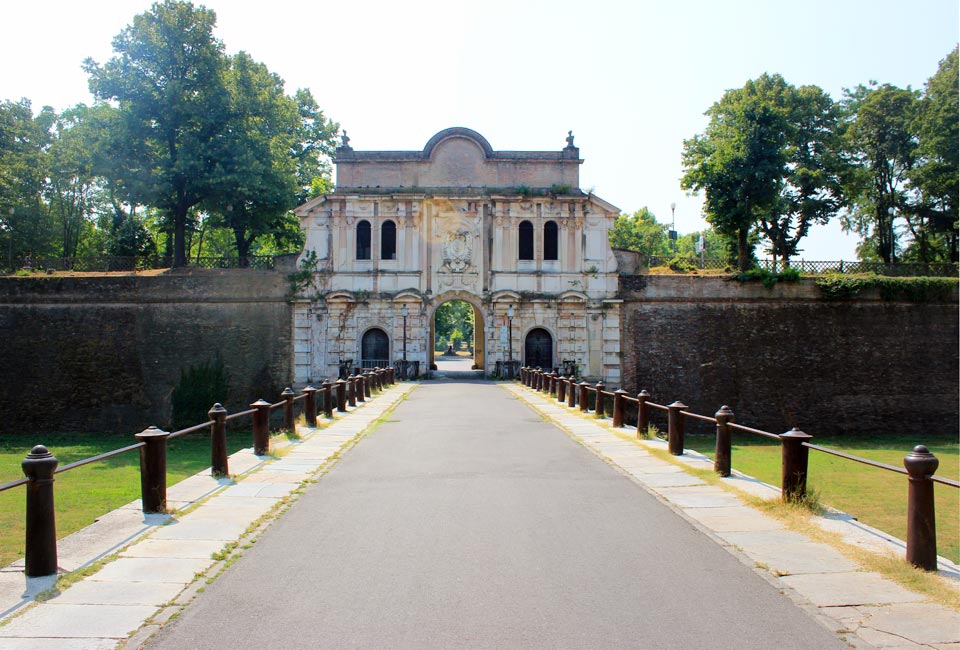
The Citadel
The Citadel is a military fortress with a pentagonal shape, built around 1591 by the Duke Alessandro Farnese and finished in 1599 by Duke Ranuccio Farnese.Born as a defensive fortress, it has ram...
Read More

Regio Theater
The Regio Theater of Parma is without doubt one of the most important theaters of Italian opera tradition.According to the will of Duchess Maria Luigia, the theater was designed by architect Nicola Be...
Read More
San Giovanni and Old apothecary
The Abbey of San Giovanni was built between 1510 and it was completed in 1519.It was commissioned by Bishop Sigefredo II in a Baroque architectural style.The project was defined by the architect Berna...
Read More
Baptistery
The construction of the Baptistery of Parma started in 1196 and ended in 1270.The original project was defined by Benedetto Antelami who began the decorations in 1196 (see inscriptions on the portal)....
Read More